
Beginner Tips for Chess, Checkers and Four in a Row
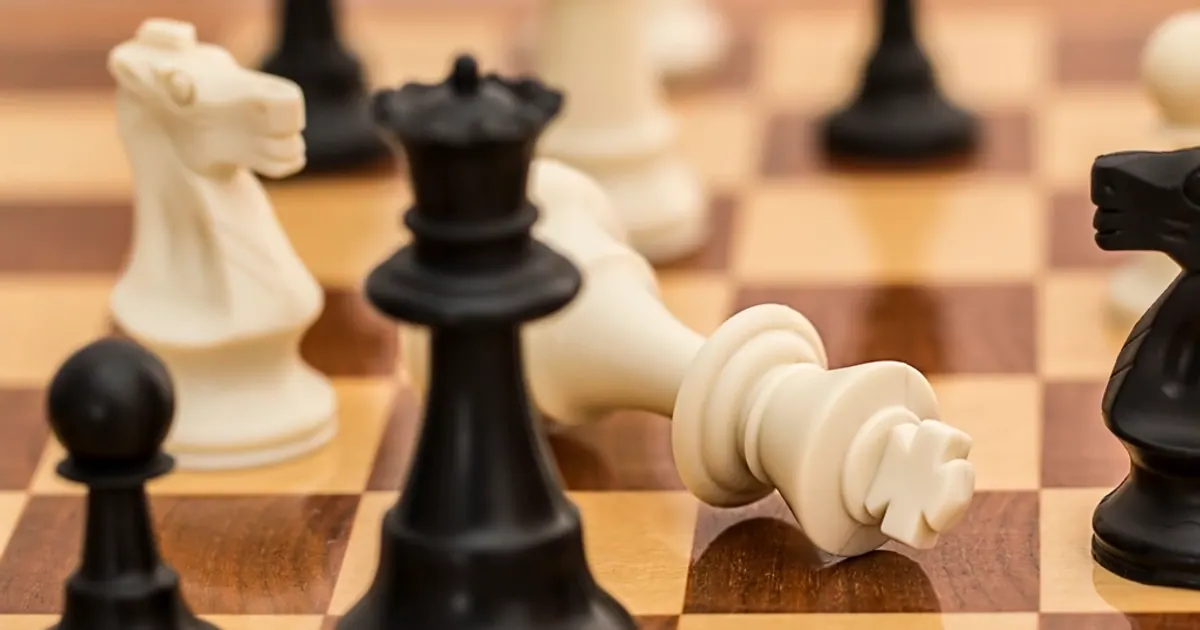
Board games reward a small number of good habits far more than clever tricks. If you are new to chess, checkers or four in a row, the tips below cover the ideas that matter most in your first fifty games. They also explain how to use a computer opponent to learn, not just to lose.
Start at the right level
It is tempting to jump straight to the hardest setting. A better approach is to pick a level where you win about half of your games. In our chess game, that is usually the Easy or Medium setting for a beginner. If you lose in a few moves every time, you learn nothing about why, and if you win without effort you are not stretched. Move up a level only after you win three games in a row.
Chess: three habits that win games
First, control the centre. Pawns and knights on the four middle squares reach more of the board. Second, develop your knights and bishops before moving the queen, and castle early so your king is tucked away behind pawns. Third, before every move, ask what your opponent’s last move threatens. Most beginner games are decided by a piece left undefended, not by a brilliant plan. The undo button is useful here: if the computer captures something, take the move back and look for what you missed.
Checkers: keep your back row and watch for forced jumps
In checkers, captures are compulsory, and that rule creates tactics. You can sacrifice one piece to force your opponent to jump into a position where you take two. Keep your back row pieces at home as long as you can, because they stop your opponent from getting kings. When you are ahead in material, trade pieces one for one, since fewer pieces means fewer chances for your opponent to recover.
Four in a row: build two threats at once
The centre column belongs to more winning lines than any other, so start there. The real winning idea is the double threat: arrange your discs so that two different squares would each complete four. Your opponent can only block one. Also remember that a square directly above a winning square is dangerous for whoever has to play beneath it. Try the same ideas in tic-tac-toe first, where the whole game fits on three by three squares and a double threat is called a fork.
Learn from every loss
After a loss, spend a minute asking one question: which single move changed the game? Look at the move list, find that moment and think about what you would play instead. That habit is worth more than any opening list. For a quieter break between games, solitaire practises patience and planning ahead, and tower defense is a friendly way to practise thinking about resources and timing.