
Unit Conversion Cheat Sheet: Metric and Imperial
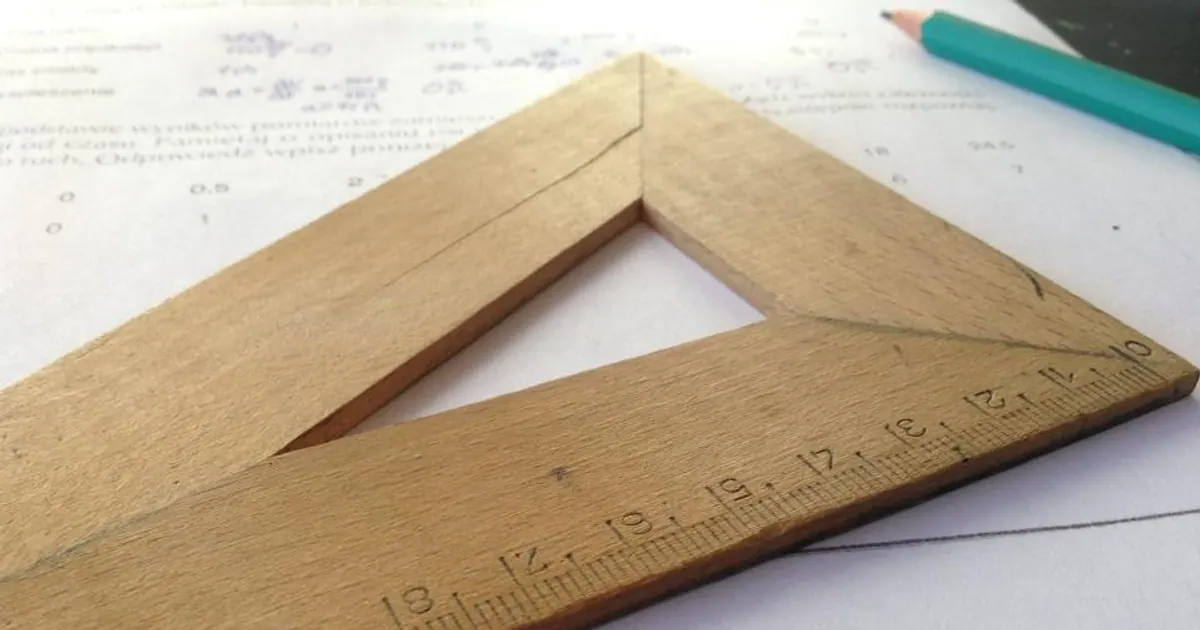
Recipes, travel, DIY projects and homework all force us to move between measurement systems. Memorizing a handful of factors will take you a long way, and a converter will cover the rest.
Length
- 1 inch = 2.54 centimeters (exactly)
- 1 foot = 30.48 cm
- 1 mile = 1.609 kilometers
- 1 meter ≈ 3.281 feet
Weight and mass
- 1 kilogram ≈ 2.205 pounds
- 1 pound = 453.59 grams
- 1 ounce ≈ 28.35 grams
Volume
- 1 liter ≈ 4.227 US cups, or 0.264 US gallons
- 1 US gallon = 3.785 liters
- 1 US cup ≈ 237 ml
Beware: a UK (imperial) pint is 568 ml while a US pint is 473 ml, and a UK gallon is about 4.546 liters.
Temperature
Celsius to Fahrenheit: multiply by 9/5 and add 32. Fahrenheit to Celsius: subtract 32, then multiply by 5/9. So 20°C is 68°F, and 98.6°F is 37°C. Kelvin is Celsius plus 273.15. A quick mental estimate is to double the Celsius value and add 30.
Speed and area
- 100 km/h ≈ 62.1 mph
- 1 hectare = 10,000 m² ≈ 2.471 acres
Kitchen conversions
- 1 US tablespoon ≈ 14.8 ml, and 1 US teaspoon ≈ 4.9 ml (3 teaspoons = 1 tablespoon)
- 1 US fluid ounce ≈ 29.6 ml
- A “metric cup” used in many Australian and Canadian recipes is 250 ml, slightly more than a US cup
- Oven temperatures: 180°C ≈ 356°F (recipes usually round to 350°F), and 200°C ≈ 392°F (usually 400°F)
Cups measure volume, not weight, so a cup of flour weighs much less than a cup of sugar. For baking, weighing ingredients in grams is more reliable than using cups.
Exact definitions worth knowing
Several imperial units are now defined exactly in metric terms: 1 inch is exactly 2.54 cm, 1 yard is exactly 0.9144 m, and 1 pound is exactly 0.45359237 kg. A nautical mile, used at sea and in aviation, is exactly 1,852 m. In the UK and Ireland, body weight is often given in stones: 1 stone = 14 pounds ≈ 6.35 kg. The U.S. National Institute of Standards and Technology (NIST) publishes the official SI unit definitions if you need the authoritative source.
Tips to avoid mistakes
- Write the units next to every number and cancel them as you calculate.
- Convert once at the end, not in the middle of a long calculation.
- Do a sanity check: a kilometer is shorter than a mile, so the number of kilometers must be larger.
The unit converter supports length, weight, volume, area, speed and temperature, with a swap button for quick reversal.
Other kinds of conversion
Computers think in different bases; the number base converter translates between binary, octal, decimal and hexadecimal. Designers can switch between HEX, RGB and HSL in the color converter. For documents and cheques, use Roman numerals and number to words. Step-by-step guides: how to convert binary to decimal, how to convert HEX to RGB and how to write numbers in words on a check.